what is glucose level for type 2 diabetes Diabetes type ii glucose olive oil level benefits
Diabetes is a chronic disease that affects millions of people worldwide. It is a condition in which the body is unable to produce or use insulin effectively, resulting in high blood sugar levels. There are two primary types of diabetes: type 1 and type 2. Both types require careful management to prevent complications.
Type 1 Diabetes
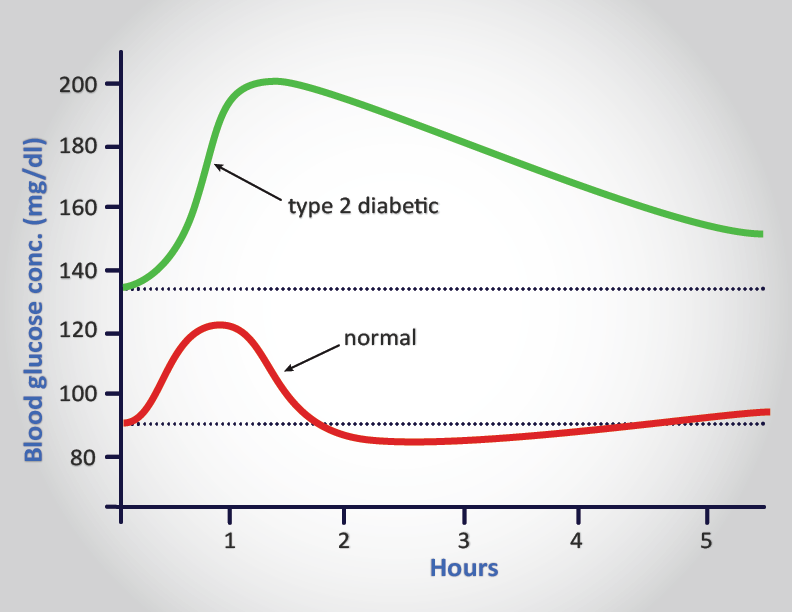 Type 1 diabetes, also known as insulin-dependent diabetes, is an autoimmune disease that occurs when the immune system attacks and destroys the cells in the pancreas that produce insulin. Insulin is a hormone that helps the body to process glucose, which is a type of sugar that comes from the food we eat. Without insulin, glucose cannot enter the cells of the body, and it builds up in the bloodstream, leading to high blood sugar levels.
People with type 1 diabetes require insulin therapy to survive. Insulin can be delivered in several ways, including injections, insulin pens, and insulin pumps. Blood glucose monitoring is also necessary to manage the disease effectively.
Type 2 Diabetes
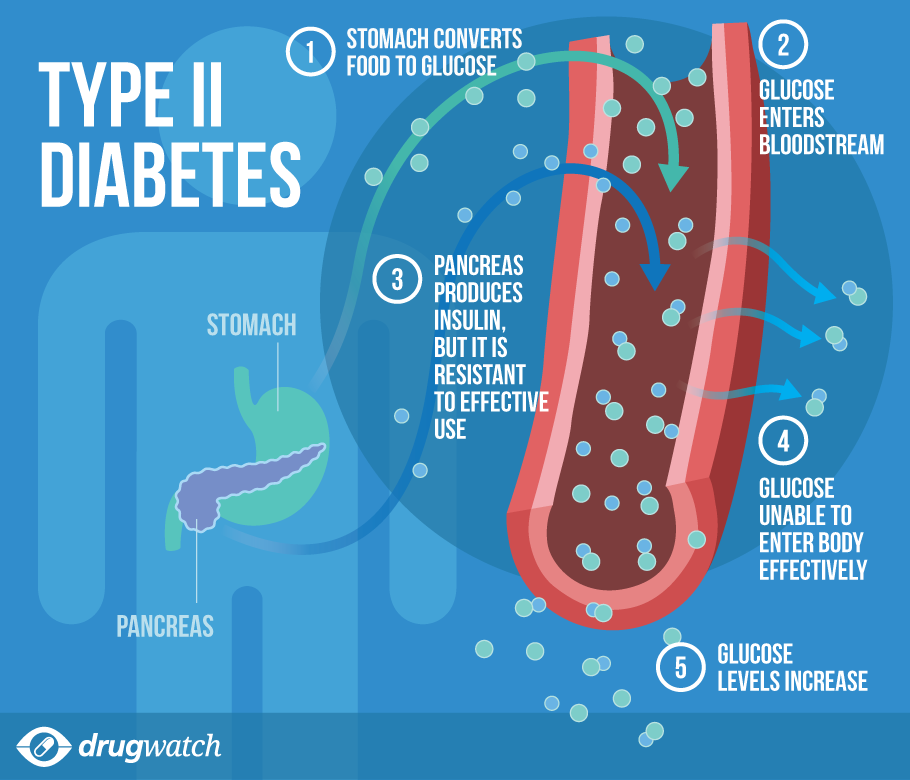 Type 2 diabetes is a chronic condition that occurs when the body becomes resistant to the effects of insulin, or when the pancreas is unable to produce enough insulin to meet the body’s needs. This form of diabetes is more common than type 1 diabetes and can often be prevented or delayed with lifestyle changes.
There are several risk factors for type 2 diabetes, including obesity, physical inactivity, and a family history of the disease. Treatment for type 2 diabetes involves lifestyle modifications, such as losing weight, increasing physical activity, and following a healthy diet. Medications may also be prescribed to help manage blood sugar levels.
Complications of Diabetes
Both types of diabetes can lead to serious complications if left untreated or poorly managed. High blood sugar levels can damage blood vessels and nerves, which can lead to a range of health problems, including:
- Heart disease
- Kidney disease
- Eye damage and blindness
- Nerve damage
- Foot damage and amputation
It is essential for people with diabetes to work closely with their healthcare team to develop a treatment plan that works for them. This may include regular blood glucose monitoring, medication management, and lifestyle modifications. By managing the disease effectively, people with diabetes can minimize their risk of complications and live healthier, happier lives.
If you are looking for Diabetes - Symptoms, Diagnosis, Treatments & Complications you’ve visit to the right web. We have 5 Images about Diabetes - Symptoms, Diagnosis, Treatments & Complications like Type 2 Diabetes - BCDiabetes, Diabetes: Type 1 and Type 2 - The Medical Biochemistry Page and also Diabetes: Type 1 and Type 2 - The Medical Biochemistry Page. Read more:
Diabetes - Symptoms, Diagnosis, Treatments & Complications
www.drugwatch.comdiabetes type causes symptoms body glucose people down problems complications diagnosis
Diabetes: Type 1 And Type 2 - The Medical Biochemistry Page
themedicalbiochemistrypage.orgdiabetes type glucose tolerance insulin mellitus blood ogtt test sugar curve after biochemistry graph meal normal human oral high graphs
Pin On Diabetic Diet For Healthy Living
 www.pinterest.comchart sugar blood level diabetes levels glucose type high diabetic normal healthy choose board symptoms
Type 2 Diabetes - BCDiabetes
 www.bcdiabetes.cadiabetes type ii glucose olive oil level benefits
What Is The Glucose Level For Type 2 Diabetes – Bnr.Co
 www.bnr.codiabetes glucose insulin blood bnr compound carbs type1
Diabetes type causes symptoms body glucose people down problems complications diagnosis. Diabetes glucose insulin blood bnr compound carbs type1. Diabetes type glucose tolerance insulin mellitus blood ogtt test sugar curve after biochemistry graph meal normal human oral high graphs